
Adel Fakher Signs His First Book, “The Electronic Bill of Lading: Between UAE Maritime Law and the Rotterdam Rules,” at the Abu Dhabi International Book Fair 2026
In the presence of a distinguished group of judicial and legal figures, and with the participation of members of the Board of Directors of the UAE Lawyers and Legal Consultants Association, Lawyer / Adel Abdulqader Fakher signed his first book, titled “The Electronic Bill of Lading: Between UAE Maritime Law and the Rotterdam Rules,” as part of the events of the Abu Dhabi International Book Fair 2026.
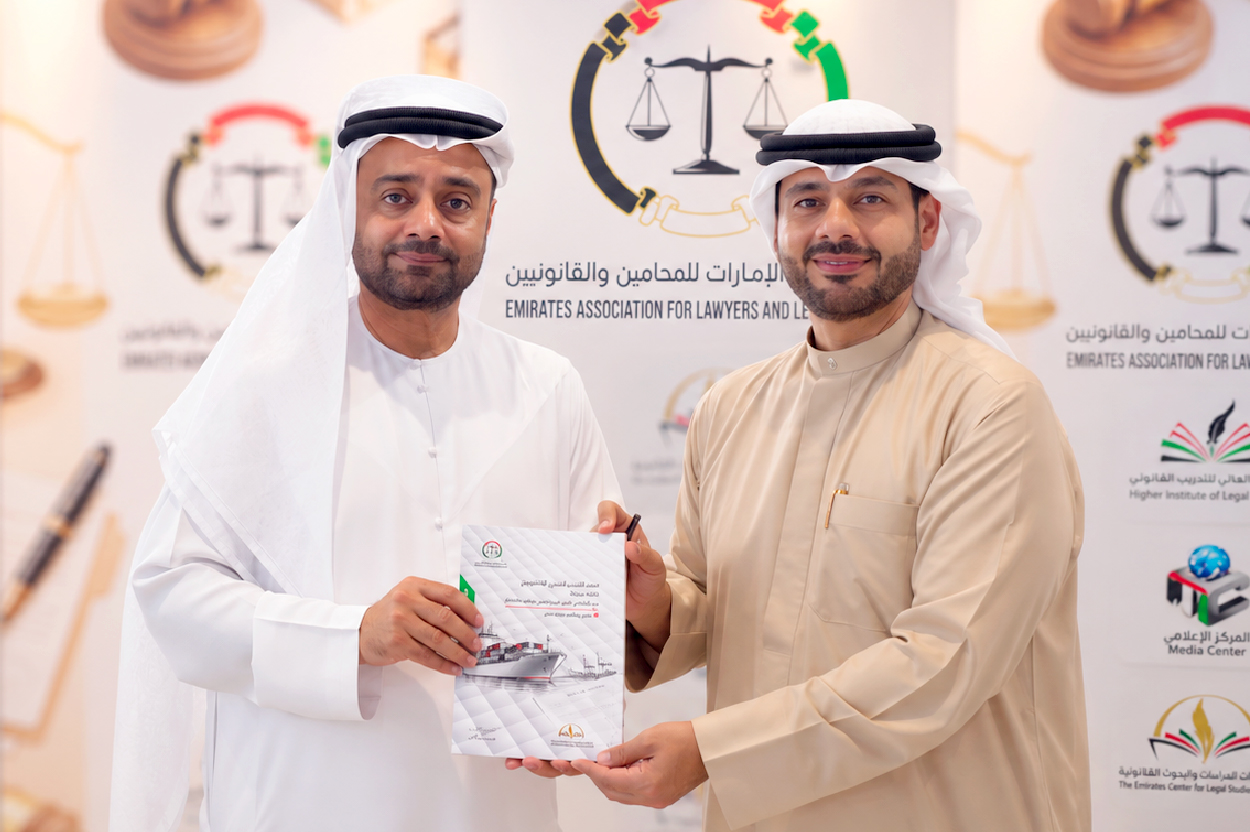 The signing ceremony was attended by members of the Association’s Board of Directors, represented by H.E. Counselor Zayed Saeed Al Shamsi, Chairman of the Board, Lawyer / Hassan Matar Al Riaimi, Vice Chairman of the Board, and Lawyer Dr. Eman Al Refai, alongside a distinguished group of judicial and legal figures and individuals interested in legal and maritime studies.
Lawyer / Adel Fakher emphasized that the Abu Dhabi International Book Fair is an important cultural event that brings together readers, authors, and publishing houses from around the world. He noted its role in promoting knowledge, encouraging reading, and strengthening communication among those interested in books and culture.
Fakher also praised the fair’s outstanding organization and diverse programme, noting that it reflects the importance that the UAE places on books, education, and culture, as well as its commitment to fostering intellectual and cultural activity.
Fakher said that his participation in the fair holds particular significance for him, as it marks the beginning of his journey as an author. He added: “The Abu Dhabi International Book Fair will leave a lasting and cherished impression on me throughout my life, because this is where I launched my first book.”
Between UAE Maritime Law and the Rotterdam Rules
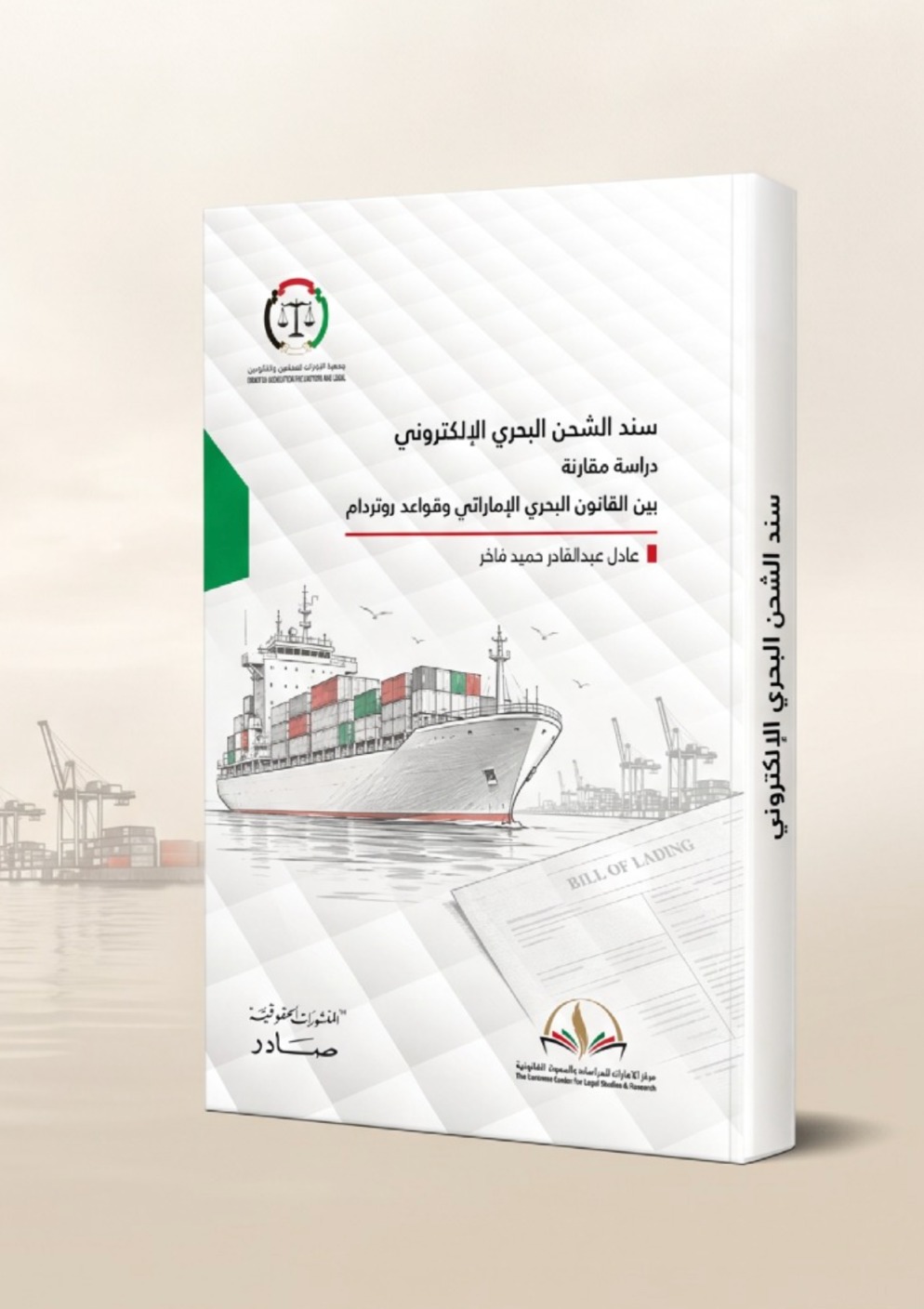
Speaking about the book, Fakher explained that “The Electronic Bill of Lading: Between UAE Maritime Law and the Rotterdam Rules” examines the digital transformation taking place in international trade, with a particular focus on the legal framework governing electronic bills of lading in the UAE and their compatibility with the Rotterdam Rules, the international convention adopted by the United Nations in 2008.
He noted that the book is based on the premise that the transition from paper bills of lading to electronic bills of lading is no longer merely a theoretical option, but has become a practical necessity driven by the demands for speed and efficiency in international commercial transactions.
The book also examines the extent to which UAE maritime law, in its current form, can accommodate the electronic bill of lading as an independent legal instrument capable of performing the functions traditionally associated with a conventional bill of lading, particularly with regard to evidentiary value, representation of goods, and the transfer of rights.
Fakher emphasized that the importance of the book lies in addressing one of the emerging subjects in maritime law, amid the growing interaction between technology and law and the challenges this creates for traditional legal frameworks.
The book also examines the readiness of UAE legislation to keep pace with digital transformation in the trade and maritime transport sectors by analyzing the existing legislative frameworks and their capacity to respond to rapidly evolving technological developments.
Objectives and Key Themes
Fakher explained that the book aims to clarify the concept and characteristics of the electronic bill of lading, identify the key differences between electronic and traditional bills of lading, analyze its legal implications in international trade, and examine the principal challenges associated with its use, including issues relating to its evidentiary value and the technological risks involved.
He added that the book concludes that UAE legislation provides a general legal basis for recognizing electronic bills of lading through its recognition of the legal validity of electronic documents.
Fakher further noted that the Rotterdam Rules provide an advanced model that can serve as a reference in this field, particularly with regard to the regulation of electronic records and mechanisms for transferring control over them.
He emphasized that integrating national legislation with modern international legal trends, alongside the use of contractual and technological solutions, represents an important path toward enhancing the effectiveness of electronic bills of lading and establishing their use within the contemporary legal and commercial environment.
The signing of the book forms part of the Emirates Lawyers Association’s participation in the Abu Dhabi International Book Fair 2026, reflecting the Association’s interest in contemporary legal issues and its support for studies and research addressing legislative and technological developments and their implications across various areas of legal and commercial practice.







Leave a comment